

Other Metals & Critical Minerals
A magnet manufacturer, a catalyst refiner and a lead smelter assess materials in different ways. This portfolio brings together four material groups, with product form and composition at the centre of each enquiry.
Product forms
Antimony
Antimony compounds are used in flame-retardant systems, while antimony metal is used in selected lead alloys. A mineral concentrate for a smelter and an oxide for a manufacturer have different acceptance criteria.
Enquiry details
Identify the form required, antimony content or purity, impurity limits and packaging.
Platinum Group Metals (PGMs)
Platinum and palladium are used in catalytic systems and industrial processing. Rhodium is particularly valued in vehicle catalysts for reducing nitrogen oxides. For mixed feed, each payable metal needs its own assay.
Enquiry details
Specify platinum, palladium or rhodium, the material form, individual metal content and the preferred assay or settlement basis.
Rare Earth Elements (REEs)
Neodymium is a principal constituent of high-strength neodymium–iron–boron magnets. Dysprosium can improve resistance to demagnetisation at elevated temperatures. Other rare earths have distinct markets, so a total rare-earth figure alone may be insufficient.
Enquiry details
Name the required element, including any other REE of interest. State oxide, metal or mixed concentrate, purity and the individual oxide breakdown where relevant.
Lead Ore
Lead-bearing ores, including galena, are processed into concentrates for smelting and refining. Refined lead is widely used in lead-acid batteries. Ore evaluation starts with lead grade and the minerals accompanying it.
Enquiry details
Provide lead assay, moisture, parcel size, relevant impurities and any separately assayed silver content.
How to specify a mineral enquiry
Identify the material
Distinguish ore or concentrate from a separated oxide or refined metal. The same element can require very different processing depending on its form.
Provide the assay basis
For mixed materials, list the individual elements and the units used. State whether the figures are on a dry basis and include the sampling date if known.
Describe the destination
Include the receiving facility’s acceptance limits, expected parcel size and delivery location. These details help define whether a material fits the intended process.
Critical Minerals Sourcing & Evaluation
A mineral’s name tells a buyer only part of what they need to know. A platinum group metals refiner needs the individual platinum, palladium and rhodium values. A rare earth processor needs to know which elements make up the total, particularly when neodymium or dysprosium is the target. For antimony and lead ores, the metal grade and accompanying impurities help determine which smelters can accept the material.
Heng Huat Resources uses the buyer’s processing requirements to guide the sourcing enquiry. A representative sample, its assay and a clear description of the material give the producer and buyer a common basis for discussing a particular lot.


Growth Outlook
For specialist minerals, a successful first shipment begins with a sample the buyer can evaluate. Our focus is on developing supply opportunities where a producer can demonstrate the material’s composition and a processor can assess how it behaves in its own plant. When those results meet the buyer’s requirements, the next step is to establish whether subsequent lots can deliver a comparable grade in commercially useful quantities.


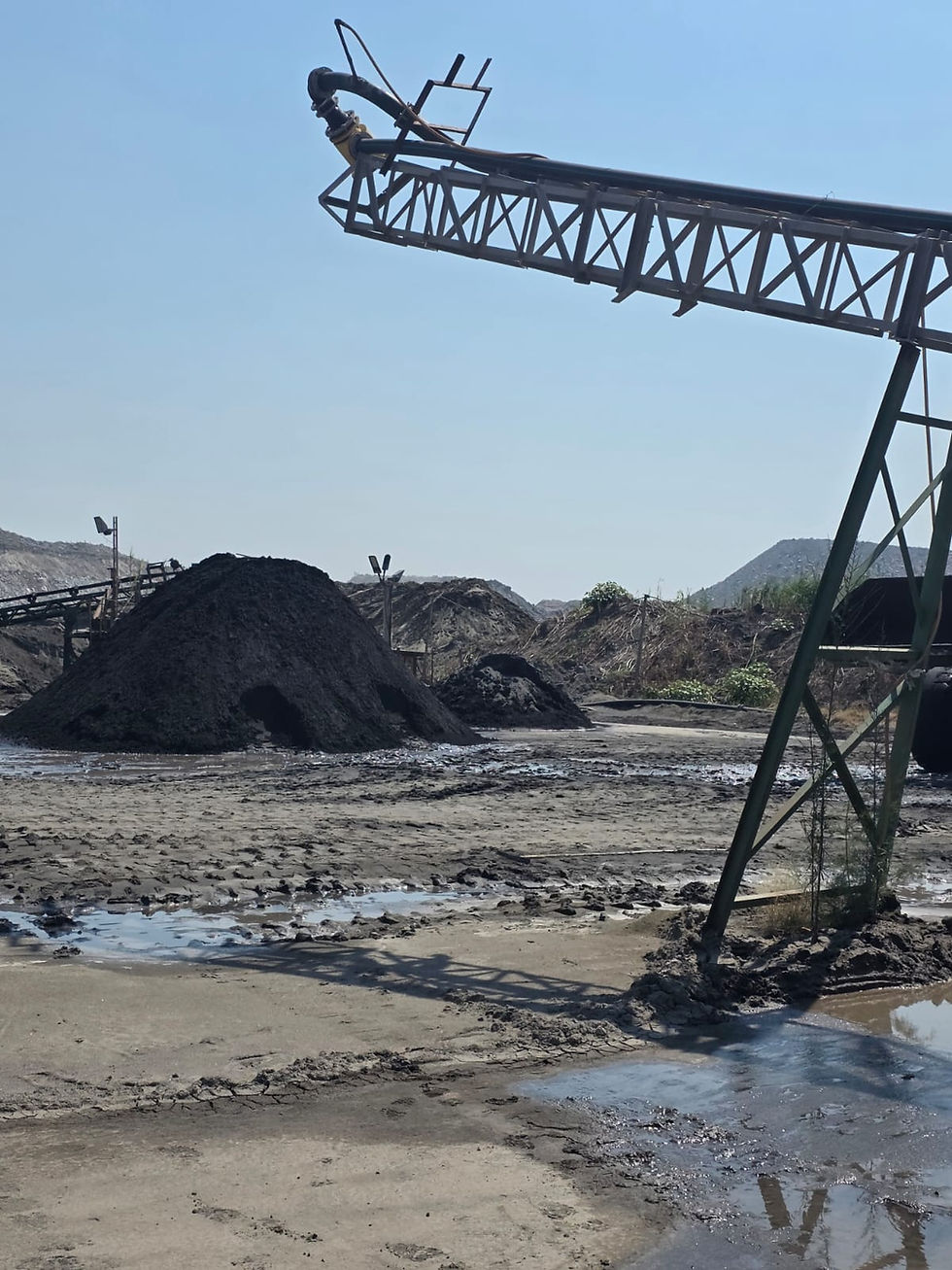
Key Information
Chrome Ore Concentrate
-
Grade: 36–38% Cr₂O₃ (standard) up to 48–50% Cr₂O₃ (premium)
-
Monthly Supply: 1,000 – 50,000 MT
-
Origin: South Africa
-
Key Use: Ferrochrome & stainless steel production
Chrome ROM (Run of Mine)
-
Grade: 38–40% Cr₂O₃ (standard) up to 44–46% Cr₂O₃
-
Monthly Supply: 5,000 – 50,000 MT
-
Origin: South Africa
-
Key Use: Direct feed or beneficiation
Ferro Chrome
-
Grade: Cr 50–65%, C 8% max, Si 1.5–4%
-
Size: 10–50 mm / 10–60 mm
-
Monthly Supply: 100 – 2,000 MT
-
Origin: South Africa / Processed in Asia
-
Key Use: Stainless steel & special alloys
Packaging & Delivery
-
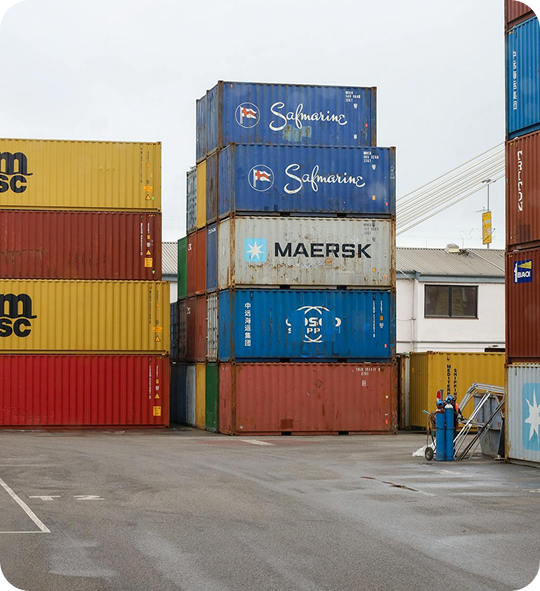
Standard: Bulk vessel, 1MT big bags, or 50kg bags
-
Delivery: FOB South Africa / India / Australia or CIF major ports worldwide
-
MOQ: Flexible – trial shipments to full vessel loads
Why Choose Heng Huat?
-
Direct mine-to-market supply chain
-
Consistent quality & reliable monthly volumes
-
Strong ESG focus and long-term partnerships
-
Competitive pricing with flexible contract terms
Optimised Resource Utilisation
Maximising the extraction of valuable chrome from ore through efficient processing methods.
OUR INTEGRATED APPROACH
Our chrome operations are built around a modular, scalable model that delivers measurable outcomes:

Sustainable Operations
Minimising waste through strategic reuse and integration into downstream processes.

Strategic Growth Alignment
Ensuring chrome operations support the Group’s long-term industrial and market objectives.

Production Capability & Global Footprint
Heng Huat Resources connects producers across Africa with international industrial buyers. For specialist minerals, the practical unit of supply is the individual lot. Our team works with origin and logistics partners to establish where the material comes from, how much is available and which assay applies to it. Packaging, export documents and delivery arrangements can then be agreed around the receiving smelter or refinery’s requirements.
