

Energy & Carbon Materials
Fuel for a boiler, coal for a coke oven and carbon for a blast furnace serve different purposes. Start with the industrial process, then match the material to the heat, chemistry or physical strength it requires.
Product forms
Thermal Coal
Used as a fuel to raise steam for power generation and industrial heat. Useful heat delivered depends on calorific value, moisture and how the boiler handles ash.
Enquiry details
Net or gross calorific value, reporting basis, total moisture, ash and sulphur.
Anthracite Coal
A high-rank coal with high fixed carbon and low volatile matter. Sized anthracite is used in selected industrial heating and metallurgical applications.
Enquiry details
Fixed carbon, volatile matter, ash, sulphur and the required size range.
Coking Coal
Heated in a coke oven without air, suitable coking coals soften and resolidify to form metallurgical coke. Buyers assess how a coal performs within their particular blend.
Enquiry details
Coking properties, volatile matter, ash, sulphur and intended blend role.
PCI Coal
Pulverised coal injection (PCI) introduces finely ground coal through blast-furnace tuyeres. It supplies heat and reducing agents and can replace part of the coke otherwise consumed.
Enquiry details
Volatile matter, grindability, ash chemistry, sulphur and moisture.
Met Coke
Metallurgical coke is the solid product of carbonising suitable coal blends. In a blast furnace it supplies carbon and supports the burden while allowing gas to pass through.
Enquiry details
Size fraction, ash, sulphur, coke reactivity and strength after reaction.
Petroleum Coke
A carbon-rich material produced in petroleum refining. Green petroleum coke can serve fuel applications, while suitable calcined grades are used in carbon products such as aluminium anodes.
Enquiry details
Green or calcined form, intended use, sulphur, metals content and particle size.
Other Energy & Carbon Products
For a carbon material outside the named categories, describe the process it must support. A carbon additive for a melt, for example, is assessed differently from a fuel purchased for its heat output.
Enquiry details
Material name, function, specification sheet, quantity and acceptable alternatives.
How to compare carbon materials
For industrial heat
Compare calorific values on the same moisture basis. Check ash and sulphur alongside energy content to assess compatibility with the receiving plant.
For ironmaking
Distinguish coke-oven feed, blast-furnace injection coal and finished coke. Plasticity, grindability and coke strength answer different questions for each route.
For carbon applications
Specify the physical form and purity your process accepts. For petroleum coke, identify whether calcination is required and which trace metals are restricted.
Energy & Carbon Materials Operations
A power station, a cement kiln and a blast furnace each ask something different of their fuel. For thermal coal, buyers start with the heat a shipment can deliver, alongside its moisture, ash and sulphur content. In steelmaking, the distinction is more fundamental. Coking coal is used to produce metallurgical coke, while pulverised coal injection (PCI) coal is ground for injection directly into the blast furnace.
Heng Huat Resources starts with the buyer’s process. The intended use guides the discussion of grade, particle size and shipment volume, whether the enquiry concerns thermal coal, anthracite, coking coal, PCI coal, metallurgical coke or petroleum coke.


Optimised Resource Utilisation
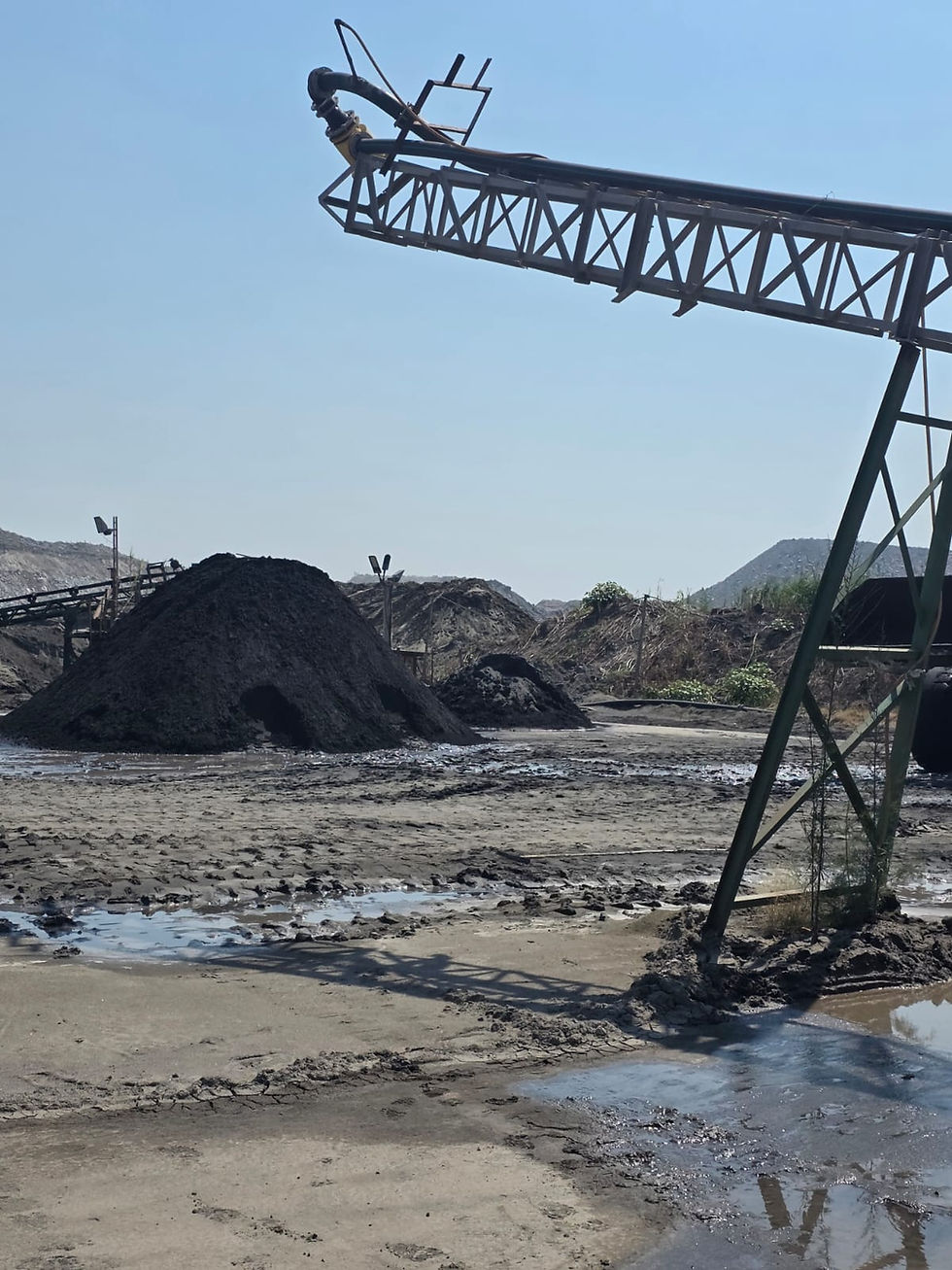
Maximising the extraction of valuable chrome from ore through efficient processing methods.
OUR INTEGRATED APPROACH
Our chrome operations are built around a modular, scalable model that delivers measurable outcomes:

Sustainable Operations
Minimising waste through strategic reuse and integration into downstream processes.

Strategic Growth Alignment
Ensuring chrome operations support the Group’s long-term industrial and market objectives.

Production Capability & Global Footprint
Heng Huat Resources sources coal from Indonesia, Australia and South Africa for international buyers. Supply can be arranged as an individual bulk cargo or through a term contract for scheduled deliveries. For each shipment, our team coordinates the required coal specification, available tonnage and loading window with the buyer’s receiving port and delivery schedule.
Growth Outlook
Two opportunities guide the development of our energy portfolio. The first is to give regular coal buyers better visibility of cargo readiness and vessel timing, so they can plan fuel stocks around production.
The second is to assess specialist carbon materials against a defined industrial need. For a cement producer evaluating petroleum coke, for example, the starting point is how its heat value and sulphur content fit the kiln’s operating limits.


Key Information
Chrome Ore Concentrate
-
Grade: 36–38% Cr₂O₃ (standard) up to 48–50% Cr₂O₃ (premium)
-
Monthly Supply: 1,000 – 50,000 MT
-
Origin: South Africa
-
Key Use: Ferrochrome & stainless steel production
Chrome ROM (Run of Mine)
-
Grade: 38–40% Cr₂O₃ (standard) up to 44–46% Cr₂O₃
-
Monthly Supply: 5,000 – 50,000 MT
-
Origin: South Africa
-
Key Use: Direct feed or beneficiation
Ferro Chrome
-
Grade: Cr 50–65%, C 8% max, Si 1.5–4%
-
Size: 10–50 mm / 10–60 mm
-
Monthly Supply: 100 – 2,000 MT
-
Origin: South Africa / Processed in Asia
-
Key Use: Stainless steel & special alloys
Packaging & Delivery
-
Standard: Bulk vessel, 1MT big bags, or 50kg bags
-
Delivery: FOB South Africa / India / Australia or CIF major ports worldwide
-
MOQ: Flexible – trial shipments to full vessel loads
Why Choose Heng Huat?
-
Direct mine-to-market supply chain
-
Consistent quality & reliable monthly volumes
-
Strong ESG focus and long-term partnerships
-
Competitive pricing with flexible contract terms
